
A comprehensive step-by-step guide to subdividing property in Western Australia
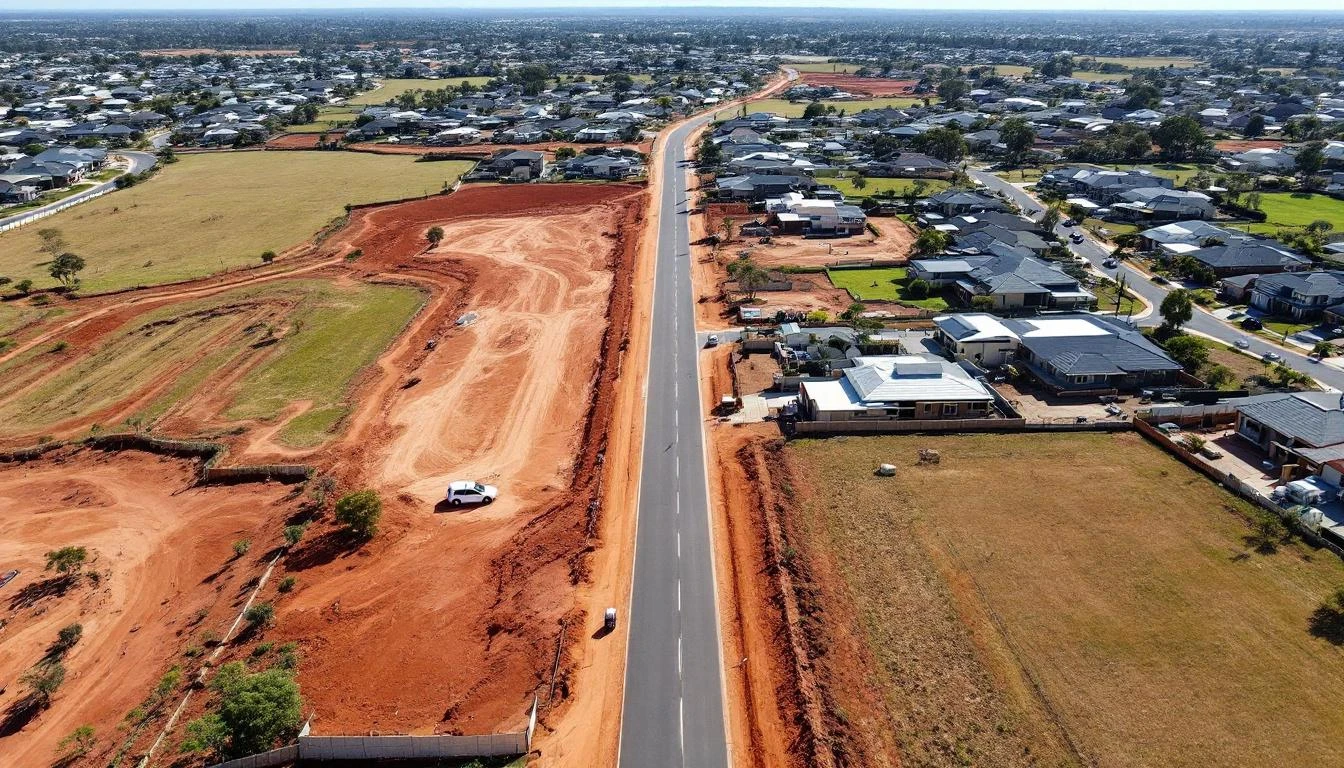
Subdividing property in Perth can be a lucrative way to unlock the value of your land, whether you're looking to build a second dwelling, create separate titles for family members, or sell off a portion of your property. However, the subdivision process involves multiple government agencies and strict requirements. This guide walks you through every step of subdividing property in Perth and Western Australia.
Before starting the subdivision process, you need to determine if your property meets the basic requirements. Key factors include:
Your local council's Town Planning Scheme and the Western Australian Planning Commission (WAPC) guidelines determine these requirements. A detail survey of your property is often the first step to assess subdivision potential.
The subdivision journey begins with a thorough assessment of your property's potential. This involves:
Once you've confirmed subdivision is feasible, the formal process begins with an application to the Western Australian Planning Commission. The WAPC is the statutory authority responsible for approving all subdivisions in Western Australia.
Your application must include:
Applications are lodged through the WAPC's online portal. A licensed surveyor typically prepares the subdivision plan showing the proposed lot boundaries, access arrangements, and any easements required.
After lodgement, the WAPC refers your application to various government agencies and service providers for comment. These typically include:
This referral process typically takes 6-8 weeks. Each agency may impose conditions that must be met before final approval.
The WAPC considers all agency responses and makes a decision on your application. There are three possible outcomes:
Most residential subdivisions in established Perth suburbs are approved with conditions. Common conditions include requirements for drainage, crossover construction, fencing, and service connections.
With WAPC conditional approval in hand, you must now satisfy the conditions before final approval. This typically involves:
A licensed surveyor must conduct the final survey and prepare the deposited plan that will create the new lot boundaries. This is a critical step as the plan must comply exactly with the WAPC approval.
Once all conditions are cleared and the WAPC grants final approval, your surveyor lodges the deposited plan with Landgate. Landgate is Western Australia's land registry authority.
The lodgement process involves:
Once registered, each new lot has its own Certificate of Title and can be sold, mortgaged, or developed independently.
A typical Perth residential subdivision takes approximately:
| Stage | Typical Duration |
|---|---|
| Preliminary assessment and planning | 2-4 weeks |
| WAPC application and determination | 8-12 weeks |
| Clearing conditions | 8-16 weeks |
| Landgate lodgement and registration | 2-4 weeks |
Overall, expect the process to take 6-12 months from initial assessment to receiving new titles. Complex subdivisions or those requiring rezoning can take considerably longer.
Property owners often encounter these challenges during the subdivision process:
While some property owners attempt to manage their own subdivisions, most engage professionals to streamline the process. A licensed surveyor can handle the survey work and Landgate lodgement, while a town planner can manage the WAPC application and agency negotiations.
At City Land Surveyors Perth, we provide comprehensive subdivision survey services from initial assessment through to new title creation. Our team handles all the technical survey work, plan preparation, and Landgate lodgement, ensuring your subdivision proceeds smoothly.
Contact us for a free initial assessment of your property's subdivision potential. We'll review your title, zoning, and site characteristics to provide honest advice on feasibility and costs.
Get Free Assessment Call (08) 5122 5501Our Perth team is ready to help you unlock the value of your property.